

Soft Fluffy French Bread Loaf delivers that golden-hued crust giving way to a pillowy, cloud-like crumb, so you can enjoy the simple pleasure of artisan baking right in your own kitchen. The warm scent of yeast and melted butter welcomes you as each slice reveals a soft, elastic interior balanced by a perfectly crackling surface. Whether you’re an intermediate baker or just eager to learn, this step-by-step guide will walk you through creating a loaf that tastes as incredible as it looks.
Key Ingredients
Before we dive into the kneading and rising, let’s gather the essentials that make this loaf so soft and fluffy.
- 500 g bread flour: Provides structure and gluten development for a chewy, airy crumb.
- 2 tbsp sugar: Feeds the yeast and helps promote browning on the crust.
- 2 tsp salt: Enhances flavor and regulates yeast activity for balanced fermentation.
- 2 tsp active dry yeast: Leavening agent that creates those signature airy tunnels.
- 300 ml warm water: Activates the yeast and helps form the dough.
- 100 ml warm milk: Adds tenderness and richness to the crumb.
- 30 g unsalted butter melted: Contributes flavor and a soft, moist texture.
- 1 tbsp olive oil: Keeps the dough from sticking and adds a subtle richness.
How To Make Soft Fluffy French Bread Loaf
From mixing your first bubble of yeast to that satisfying golden bake, this recipe breaks down every step, ensuring you get a gorgeously soft interior and a crisp crust. We’ll guide you through proofing the yeast, kneading until smooth, and creating steam in the oven for that professional finish. Let’s roll up our sleeves and transform simple pantry staples into a loaf you’ll be proud to slice.
1. In a small bowl dissolve 2 tbsp sugar and 2 tsp active dry yeast in 300 ml warm water, stirring until the mixture is smooth. Let it sit for about 5 to 10 minutes until it becomes foamy and aromatic.
2. In a large bowl combine 500 g bread flour and 2 tsp salt, whisking together to distribute the salt evenly throughout the flour.
3. Add the yeast mixture, 100 ml warm milk, and 30 g melted unsalted butter to the flour mixture. Stir with a wooden spoon until a shaggy dough forms, ensuring no dry pockets remain.
4. Turn the dough onto a lightly floured surface and knead by hand for 8 to 10 minutes (or use a stand mixer with a dough hook) until it’s smooth, elastic, and slightly tacky.
5. Place the dough in a lightly oiled bowl, turning it once so it’s coated all around. Cover with plastic wrap or a clean towel and let it rise in a warm spot for about 1 to 1½ hours, or until it has doubled in size.
6. Gently punch down the dough to release excess air, then shape it into a loaf by rolling or folding the edges underneath. Place it seam side down on a parchment-lined baking sheet.
7. Cover the loaf slightly (with lightly greased plastic wrap) and let it rise again for 30 to 45 minutes, until it appears puffy to the touch.
8. Preheat the oven to 200°C and position a shallow dish of water on the bottom rack to generate steam. Use a sharp knife or lame to slash the top of the loaf with three diagonal cuts.
9. Bake the loaf for 25 to 30 minutes, until the crust is deep golden brown and the loaf sounds hollow when tapped on the bottom. Cool on a wire rack before slicing to preserve the texture.
Serving Suggestions
Once that gorgeous Soft Fluffy French Bread Loaf is out of the oven and cooled, it’s time to put it to delicious use. This versatile loaf shines in a variety of pairings—whether you’re looking for a cozy dinner companion or a star toast for brunch. Below are four of our favorite ways to serve and enjoy every pillowy slice.
- Classic butter and jam: Slice the loaf thick, toast lightly, then spread with high-quality butter and your favorite fruit jam for a sweet start.
- Soup dunking: Tear off hearty pieces and dip into a steaming bowl of tomato bisque or French onion soup for a comforting, moisture-packed bite.
- Open-faced sandwiches: Top toasted slices with creamy cheese, fresh tomatoes, basil, and a drizzle of olive oil for a simple bruschetta.
- Garlic bread: Combine softened butter with minced garlic, parsley, and a pinch of salt, spread onto the loaf halves, and bake until golden for an ultimate side dish.
Tips For Perfect Soft Fluffy French Bread Loaf
Getting that ideal balance between a super-soft interior and a crisp, crackling crust can be a little tricky, but with these friendly pointers, you’ll be a pro in no time. Pay close attention to temperatures, kneading technique, and that crucial steam step—each aspect adds up to a loaf that’s light, airy, and full of flavor. And remember, practice makes perfect, so don’t be discouraged if your first attempt isn’t flawless. Before you know it, you’ll be the go-to baker in your circle, serving up slices of French bread heaven.
- Make sure water and milk are warm, not hot, to activate the yeast without killing it. Aim for around 40°C (105°F).
- Proper kneading for at least 8 minutes develops gluten, resulting in a fluffy interior and chewy crust.
- Adding steam in the oven (a shallow dish of water on the bottom rack) helps create a thin, crispy crust.
- Allow the loaf to cool completely on a wire rack before slicing to prevent a gummy texture inside.
How To Store It
Your Soft Fluffy French Bread Loaf will taste best when eaten fresh, but we all know sometimes life gets busy. Storing your loaf properly helps maintain that delightful crust and soft crumb, whether you plan to snack on it the next day or preserve it for weeks to come. Here are some methods to keep your bread at its best—no sad, stale slices here.
- Room temperature: Store the cooled loaf in a paper bag or a bread box to allow slight airflow and keep the crust crisp. Enjoy within 2 days.
- Plastic wrap: Wrap the loaf tightly in plastic wrap, then place in a zip-top bag to prevent excessive drying. Consume within 3 days.
- Freezing: Slice the cooled loaf, wrap portions in foil, and place in an airtight freezer bag. Freeze for up to 3 months. Thaw at room temperature or toast directly.
- Avoid refrigeration: Refrigerators can dry bread quickly. If you must refrigerate, reheat slices in a warm oven or toaster to regain softness.
Frequently Asked Questions
Got questions about your Soft Fluffy French Bread Loaf adventure? You’re not alone—check out these quick answers below!
- Q: How long does it take to prepare and bake this Soft Fluffy French Bread Loaf?
A: It takes about 20 minutes to mix and knead the dough, approximately 1 to 1½ hours for the first rise, 10 minutes to shape the loaf, 30 to 45 minutes for the second rise, and 25 to 30 minutes to bake. In total, you should allow around 2½ to 3 hours from start to finish.
- Q: Why do the water and milk need to be warm, and what temperature should they be?
A: Water and milk should be around 40°C (105°F) so they are warm but not hot. Temperatures above 50°C (120°F) can kill the yeast and prevent fermentation, while colder liquids slow down the yeast activity and can lead to poor rising.
- Q: How can I tell when the dough has been kneaded enough?
A: The dough is ready when it is smooth, elastic, and slightly tacky. Perform the windowpane test by stretching a small piece of dough between your fingers: it should stretch thin without tearing and allow light to pass through. This indicates well-developed gluten for a fluffy interior.
- Q: What should I do if my dough seems too sticky or too dry during kneading?
A: If the dough is too sticky, lightly sprinkle a small amount of flour onto your work surface and hands, kneading in just enough to make the dough manageable. If it is too dry or cracking, add warm water one teaspoon at a time and knead until it comes together into a smooth, elastic ball.
- Q: What is the purpose of adding steam in the oven, and how does it affect the crust?
A: Steam in the oven creates a moist environment that keeps the surface of the dough supple during the first few minutes of baking. This delays crust formation, allowing the loaf to expand fully and producing a thin, crisp crust while maintaining a soft, fluffy interior.
- Q: Can I substitute active dry yeast with instant yeast, and are any adjustments needed?
A: Yes, you can use instant yeast in place of active dry yeast. Since instant yeast particles are finer and have a higher live cell count, you can reduce the proofing time slightly. You may also mix instant yeast directly with the dry ingredients rather than proofing it in water, but ensure you still use warm liquids to achieve the correct dough temperature.
- Q: How should I store this French bread loaf to maintain its texture?
A: Once the loaf has cooled completely on a wire rack, store it in a paper bag or a bread box at room temperature for up to two days. For longer storage, slice the cooled loaf and freeze portions in an airtight freezer bag for up to three months. Thaw frozen slices at room temperature or toast them directly from the freezer.
What Makes This Special
This Soft Fluffy French Bread Loaf stands out because it combines a professional bakery technique—like steaming the oven—with simple home-kitchen ingredients for stunning results. The golden crust crunches just right, while the crumb feels like a little slice of cloud heaven. It’s friendly enough for bakers tackling their second loaf but impressive enough to wow guests at dinner. Feel free to print this recipe, stash it in your kitchen drawer, and bring it out whenever bread cravings strike. Let me know how your loaf turns out—questions, tips, or funny baking mishaps are all welcome in the comments below.
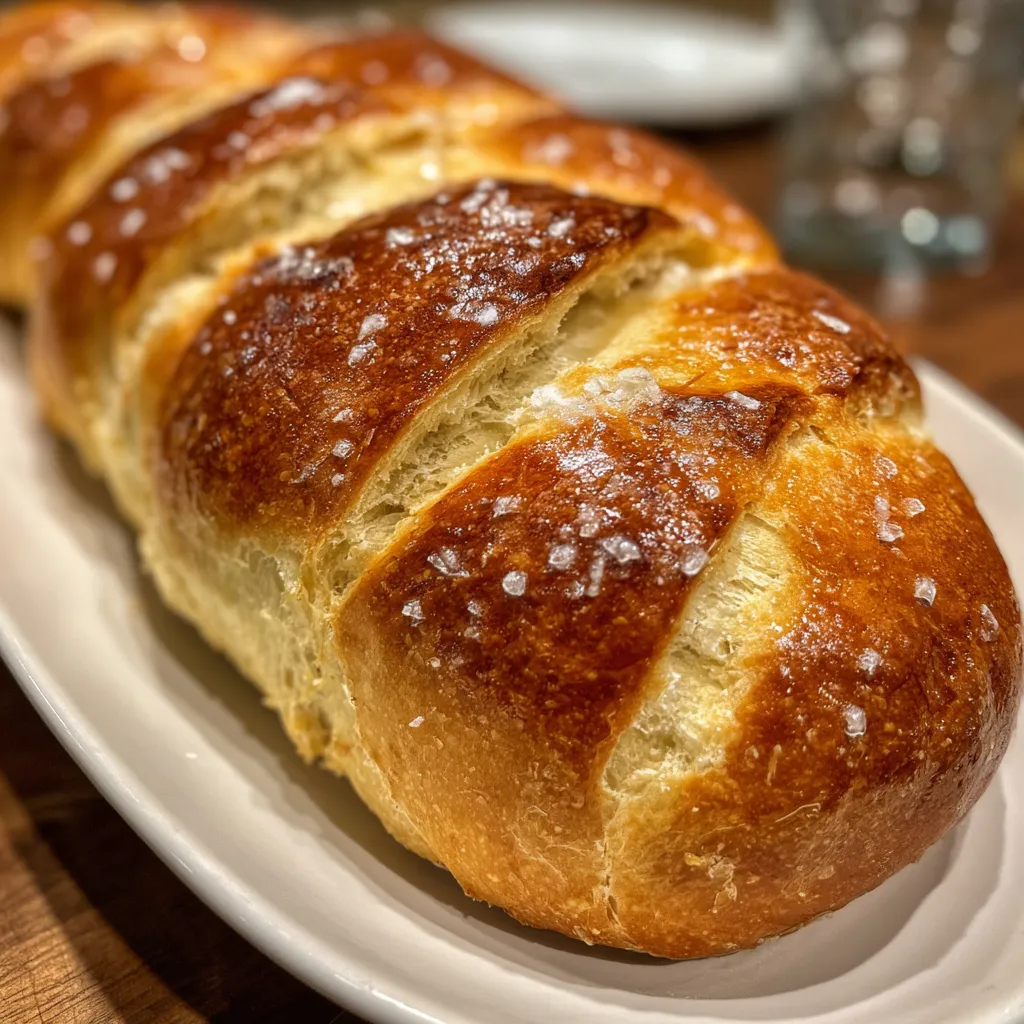

Soft Fluffy French Bread Loaf
Description
The aroma of fresh yeast and warm butter fills the kitchen as you slice into the loaf, revealing a soft, elastic interior that contrasts beautifully with its crackling, golden crust.
Ingredients
Instructions
-
In a small bowl dissolve sugar and active dry yeast in warm water and let sit until foamy.
-
In a large bowl combine bread flour and salt.
-
Add the yeast mixture warm milk and melted butter to the flour mixture and stir until a shaggy dough forms.
-
Turn the dough onto a lightly floured surface and knead until smooth and elastic.
-
Place the dough in a lightly oiled bowl turning to coat then cover and let rise until doubled in size.
-
Punch down the dough gently then shape into a loaf and place on a parchment lined baking sheet.
-
Cover the loaf and let it rise until puffy.
-
Preheat the oven to 200°C and place a shallow dish of water on the bottom rack for steam then slash the top of the loaf.
-
Bake the loaf for 25 to 30 minutes until golden brown and sounding hollow when tapped then cool on a wire rack.
Note
- Make sure water and milk are warm not hot to activate the yeast without killing it.
- Proper kneading develops gluten resulting in a fluffy interior and chewy crust.
- Adding steam in the oven helps create a thin crispy crust.
- Cool completely before slicing to prevent a gummy texture.

