

Plain Lo Mein Noodles is your ticket to an easy, flavor-packed noodle fix—simple soy-sesame strands tossed with garlic and green onions that come together in minutes. With tender noodles coated in a savory glaze and a hint of sweetness, this beginner-friendly dish lets you customize with veggies or a spicy kick. Ready to dive in? Let’s get those noodles dancing in your bowl tonight!
Key Ingredients
Before we dive into cooking, here’s a rundown of the simple ingredients that make this lo mein so delicious:
- 200 grams lo mein noodles: Soft wheat noodles that absorb the savory soy-sesame sauce and provide a springy, satisfying base.
- 1 tablespoon vegetable oil: Neutral-flavored oil for high-heat stir-frying and preventing noodles from sticking.
- 1 clove garlic, minced: Delivers aromatic warmth and a punch of savory depth in every bite.
- 1/4 cup sliced green onions: Adds fresh crunch, vibrant color, and a mild onion note at the finish.
- 2 tablespoons soy sauce: The umami backbone that seasons the noodles with salty richness.
- 1 teaspoon sugar: Balances saltiness with a touch of sweetness for a rounded flavor.
- 1 teaspoon sesame oil: Drizzled at the end for a toasty, nutty aroma.
- 1 pinch white pepper: Provides gentle heat and a subtle peppery kick without changing the color.
- 1 pinch salt: Enhances all the flavors and fine-tunes seasoning to taste.
How To Make Plain Lo Mein Noodles
Get ready for a quick stir-fry adventure! In just seven simple steps, you’ll transform basic pantry staples into a restaurant-style noodle dish. The key is to cook the noodles just right, build flavor with aromatics and seasonings, then toss everything together over high heat for that perfect, glossy finish.
1. Bring a large pot of water to a boil and add the lo mein noodles; cook for 3 minutes until they’re al dente, then drain and rinse under cold water to stop the cooking and prevent sticking.
2. Heat the vegetable oil in a wok or large skillet over medium-high heat, then add the minced garlic. Stir-fry for about 30 seconds until it’s fragrant and starts to turn golden.
3. Add the drained noodles to the wok, using tongs or chopsticks to toss them so each strand is coated in the garlic-infused oil.
4. Pour in the soy sauce and sprinkle the sugar evenly over the noodles. Keep stirring to ensure every noodle is evenly coated with the sweet-salty sauce.
5. Drizzle sesame oil around the edge of the wok, then season with salt and white pepper. Stir-fry for another minute to let the flavors meld and the sauce thicken slightly.
6. Add the sliced green onions, tossing briefly just enough to soften them while retaining their bright color.
7. Transfer the lo mein to a serving dish and enjoy hot—this is best served immediately for that ideal tender-yet-springy texture.
Serving Suggestions
Whether you serve it as a side or star of the meal, these tips will elevate your lo mein:
- Add fresh veggies: Top with blanched broccoli or stir-fried bell peppers for extra color and crunch.
- Protein boost: Pair with grilled chicken, tofu, or shrimp for a more substantial dish.
- Garnish with sesame seeds: Sprinkle toasted seeds on top for a nutty crunch and visual appeal.
- Side of pickles: Offer quick-pickled cucumbers or radishes to cut through the richness with tangy brightness.
Tips For Perfect Plain Lo Mein Noodles
Nailing the simplest lo mein is all about timing and personal flair. Start with well-cooked, cooled noodles to avoid clumps, pre-mix your sauce for easy pouring, and keep your wok hot so nothing steams. Feel free to customize as you go, but remember—quick cooking and fresh ingredients are the keys to that ideal bite.
- You can add vegetables like bell peppers or carrots for extra color and nutrition.
- Use freshly cooked noodles for the best texture and avoid sogginess.
- Adjust the amount of soy sauce to taste for a milder or saltier flavor.
- For a spicy kick, drizzle with chili oil or add crushed red pepper flakes.
How To Store It
Planning ahead? Storing lo mein properly keeps it tasting its best even as leftovers. The secret is to cool quickly, seal tightly, and reheat gently so you recapture that fresh-from-the-wok texture.
- Refrigerate: Transfer cooled noodles to an airtight container and store for up to 3 days. Add a splash of water or extra sauce before reheating.
- Freeze: Place in a freezer-safe bag, remove excess air, and freeze up to 1 month. Thaw in the fridge before reheating.
- Separate sauce: If adding extra veggies or sauce, store components separately to prevent the noodles from getting soggy.
- Reheat in a skillet: Warm over medium heat with a teaspoon of oil to revive that stir-fry texture—avoid microwaving to keep them springy.
Frequently Asked Questions
Here are answers to some common questions when making plain lo mein noodles:
- How can I prevent the noodles from becoming soggy?
To keep the noodles al dente and avoid sogginess, cook them for just 3 minutes as instructed, then drain and rinse under cold water immediately. Toss the cooled noodles with a light coating of oil before stir-frying and avoid overcooking in the wok by keeping the heat at medium-high and stirring only until the sauce evenly coats the strands.
- Can I add extra vegetables or protein to this recipe?
You can customize your lo mein by adding vegetables like bell peppers, carrots, snow peas, or broccoli. To include protein, stir-fry sliced chicken, beef, shrimp, or tofu first in the wok until cooked through, then remove and follow the recipe steps with the garlic and noodles. Return the protein and vegetables before adding the final seasonings to ensure everything is heated through.
- Is it possible to make this recipe gluten-free?
To make gluten-free lo mein, substitute the lo mein noodles with rice noodles or gluten-free wheat noodles and use a certified gluten-free soy sauce or tamari in place of regular soy sauce. Double-check that your sesame oil, sugar, and any added sauces are also labeled gluten-free to ensure the dish remains safe for those with gluten sensitivities.
- What is the best way to reheat leftover lo mein noodles?
The ideal method for reheating leftovers is to warm a skillet over medium heat, add a teaspoon of oil, then toss in the cold lo mein, stirring gently until heated through in about 2–3 minutes. If you prefer, you can microwave the noodles covered with a damp paper towel for 1–2 minutes, stirring halfway to distribute heat and moisture evenly.
- Can I prepare any components of this recipe ahead of time?
You can mince the garlic, slice the green onions, and mix the soy sauce with sugar and sesame oil up to a day in advance, storing them in separate airtight containers in the refrigerator. Cook and rinse the noodles no more than a few hours before serving, tossing them with a little oil and covering them to prevent drying out, then stir-fry everything together just before eating for the best texture.
- What dishes pair well with plain lo mein noodles?
Plain lo mein serves as a versatile side or main ingredient; you can accompany it with steamed or stir-fried vegetables, a light egg drop soup, or a crisp Asian-style salad to create a balanced meal. It also complements protein dishes such as teriyaki chicken, beef and broccoli, or sesame shrimp, adding a comforting noodle base to the spread.
What Makes This Special
There’s something almost magical about turning a handful of pantry staples into a bowl of glossy, garlicky noodles ready in under ten minutes. Plain Lo Mein Noodles works because each strand soaks up that perfect balance of soy, sugar, and sesame oil, then brightens up with fresh green onions. It’s a beginner-friendly recipe that you’ll want to print, save, and revisit whenever you need a quick, satisfying meal. Tried it yourself? Let me know how it went or ask any questions below—I’m here to help you noodle like a pro!
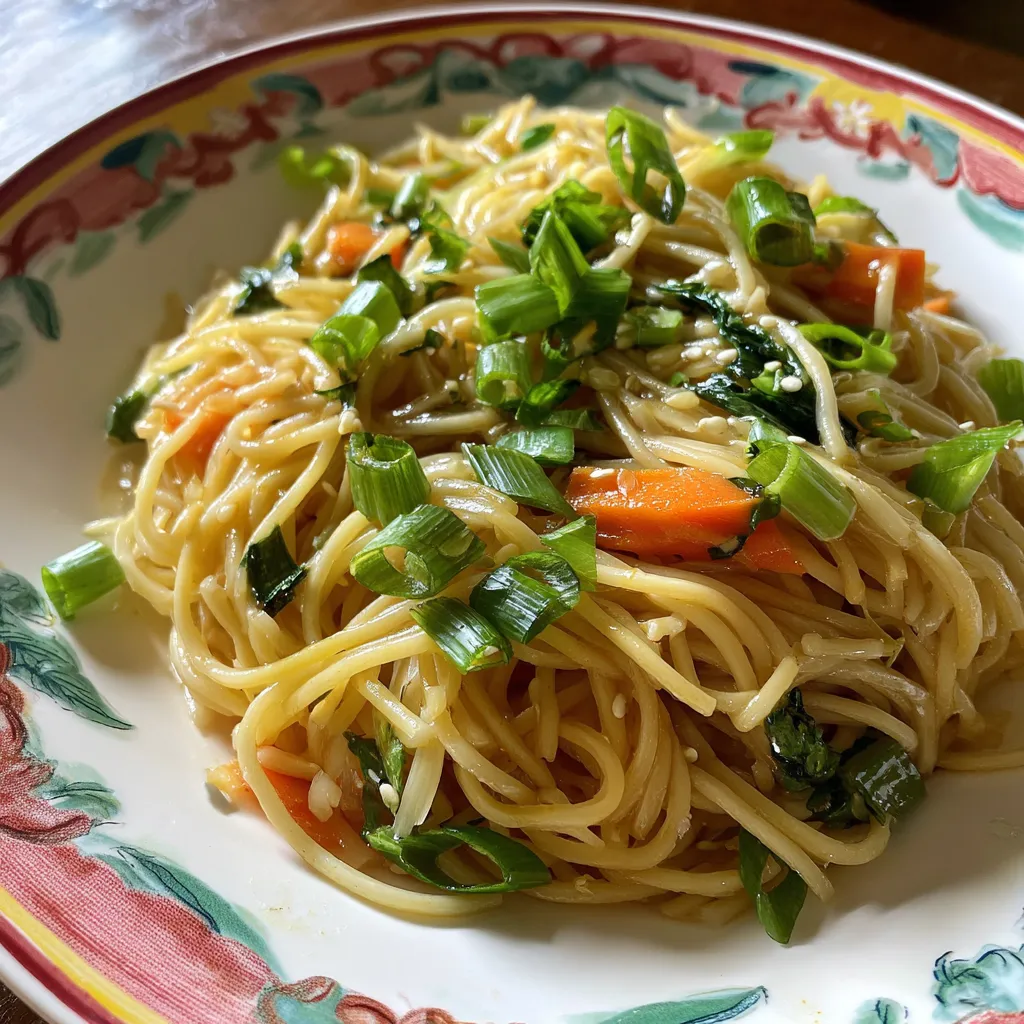

Plain Lo Mein Noodles
Description
Tender noodles coated in a savory soy-sesame glaze, enlivened by fragrant garlic and crisp green onions. Ready in minutes, it’s a customizable canvas—add veggies or spice to make it your own.
Ingredients
Instructions
-
Bring a large pot of water to a boil and add lo mein noodles; cook for 3 minutes until al dente, then drain and rinse under cold water.
-
Heat vegetable oil in a wok or large skillet over medium-high heat and add minced garlic, stir-frying for about 30 seconds until fragrant.
-
Add the drained noodles to the wok and toss to coat evenly with oil and garlic.
-
Pour in soy sauce and sprinkle sugar over the noodles, stirring constantly to combine.
-
Drizzle sesame oil over the mixture, then season with salt and white pepper; stir-fry for another minute.
-
Add sliced green onions, toss briefly, and remove from heat.
-
Transfer to a serving dish and serve the lo mein noodles hot.
Note
- You can add vegetables like bell peppers or carrots for extra color and nutrition.
- Use freshly cooked noodles for the best texture and avoid sogginess.
- Adjust the amount of soy sauce to taste for a milder or saltier flavor.
- For a spicy kick, drizzle with chili oil or add crushed red pepper flakes.

