

If you’re on the hunt for a dessert that feels like a sweet little cloud, your search ends with this Japanese Strawberry Shortcake Light Fluffy Sponge Cake. With airy layers of pillowy sponge meeting billows of vanilla-infused cream and ruby strawberries, it’s a light, sweet finish to any meal. Each bite melts on your tongue, balancing sweet creaminess with vibrant fruit notes—just what you need to impress guests or treat yourself to a delicate, dreamy delight. Ready to bake your own slice of airy perfection?
Key Ingredients
This Japanese Strawberry Shortcake relies on just a handful of simple ingredients that work together to deliver its signature airy texture and fresh fruity flavor.
- 4 large eggs: whip into a fluffy meringue that gives the sponge its light structure and lift.
- 100 g granulated sugar: sweetens the batter and stabilizes the whipped egg whites.
- 100 g cake flour: finely milled for a tender crumb and delicate sponge texture.
- 20 g unsalted butter: adds richness and helps create a moist, tender cake crumb.
- 20 ml milk: moistens the batter and helps incorporate the melted butter.
- 300 ml heavy cream: whipped into silky layers of vanilla-infused cream between the sponge.
- 30 g powdered sugar: sweetens and stabilizes the whipped cream for firm peaks.
- 1 tsp vanilla extract: infuses the whipped cream with warm vanilla flavor.
- 250 g fresh strawberries: juicy, vibrant fruit that adds color, flavor, and a refreshing finish.
How To Make Japanese Strawberry Shortcake Light Fluffy Sponge Cake
Baking this Japanese Strawberry Shortcake is all about building and preserving air in the batter, then finishing with a light-as-air whipped cream and fresh strawberries. You’ll whisk yolks into sweetness, master a gentle folding technique with egg whites, and carefully layer cream and fruit for picture-perfect presentation. Follow these steps to ensure your sponge is golden, your cream holds firm, and your strawberries shine in every bite.
1. Preheat the oven to 170°C and line the bottom of an 18 cm round cake pan with parchment paper, then grease the sides to ensure easy release.
2. Separate the egg yolks and whites into two clean bowls—keeping the whites completely grease-free helps them whip up fully.
3. In the yolk bowl, whisk together the yolks and half of the granulated sugar until pale and slightly thickened, then gently fold in the sifted cake flour for a lump-free batter.
4. In the egg white bowl, beat the whites on medium speed until foamy, then gradually add the remaining granulated sugar and continue beating to soft peaks that hold their shape.
5. Fold one third of the beaten egg whites into the yolk mixture to lighten it, then gently fold in the remaining whites in two additions until just combined—avoid overmixing to keep the sponge airy.
6. Melt the butter with the milk over low heat, allow to cool slightly, then drizzle into the batter and fold gently until everything is evenly combined.
7. Pour the batter into the prepared pan, smooth the surface with a spatula, and bake for 18–20 minutes until the top is lightly golden and a skewer inserted in the center comes out clean.
8. Remove the cake from the oven, let it cool in the pan for 5 minutes, then transfer to a wire rack and cool completely before decorating.
9. In a chilled bowl, whip the heavy cream with the powdered sugar and vanilla extract on medium-high speed until firm peaks form—don’t overbeat or it will become grainy.
10. Slice the cooled sponge cake horizontally into two layers, spread a layer of whipped cream, arrange halved strawberries, place the second sponge layer on top, and finish with the remaining cream and decorative strawberry halves.
Serving Suggestions
Whether you’re hosting a special celebration or simply craving something sweet, this shortcake shines with the right accompaniments. The light sponge and creamy layers pair beautifully with delicate beverages and elegant plating—making each slice look as good as it tastes.
- Chilled Plates: Serve each slice on a chilled dessert plate to keep the cream firm and the sponge cool.
- Matcha Pairing: Enjoy alongside a cup of matcha or green tea to balance the sweetness with a subtle, earthy note.
- Fresh Garnish: Top with extra halved strawberries and a light dusting of powdered sugar for a pretty presentation.
- Elegant Platter: Arrange slices on a decorative cake stand and garnish with mint leaves for a café-style display.
Tips For Perfect Japanese Strawberry Shortcake Light Fluffy Sponge Cake
Getting that signature lightness and creamy stability can feel like a bit of alchemy, but a few simple tricks—like whipping your eggs just right and handling your batter gently—will lead you straight to dessert heaven. Keep these friendly pointers in mind as you bake, and you'll be slicing into a perfectly airy, supremely tender shortcake every time.
- Room temperature eggs whip better than cold ones
- Sift the cake flour to avoid lumps and lighten the batter
- Allow the sponge to cool completely before adding whipped cream to prevent melting
- Best served on the day of assembly to enjoy optimal texture
How To Store It
Proper storage is key to preserving the soft sponge and stable whipped cream in this Japanese Strawberry Shortcake. Follow these simple methods to keep your cake tasting fresh and looking beautiful—whether you need to prep ahead or save leftovers.
- Refrigeration: Place the assembled cake or individual slices in an airtight container and refrigerate for up to 24 hours to keep the cream stable and the sponge moist.
- Freezing Layers: Wrap unfilled sponge layers tightly in plastic wrap, then foil; freeze for up to two weeks. Thaw in the refrigerator before assembly.
- Separate Components: Store whipped cream and sliced strawberries in sealed containers and assemble just before serving to prevent sogginess.
- Cool, Dry Environment: If you need to hold the sponge before decorating, keep it under a ventilated cake dome at room temperature for a few hours before refrigerating.
Frequently Asked Questions
Curious minds always have questions—let’s clear up the most common cake-making curiosities!
- How can I ensure my sponge cake remains light and fluffy?
Use room temperature eggs for better volume, sift the cake flour to remove lumps, and fold in the beaten egg whites gently in thirds to avoid deflating the batter. When adding the melted butter and milk mixture, fold just until blended to maintain airiness.
- How do I know when the cake is fully baked?
Bake at 170°C for 18–20 minutes until the top is lightly golden. Insert a wooden skewer into the center; it should come out clean or with a few moist crumbs but no wet batter. Overbaking can dry out the sponge, so watch closely in the final minutes.
- What’s the best way to whip the heavy cream to firm peaks?
Chill your mixing bowl and beaters in the fridge for at least 15 minutes. Pour in cold heavy cream, add powdered sugar and vanilla extract, then whip on medium-high speed. Stop when the cream holds its shape with firm peaks but remains smooth and not grainy.
- Why did my sponge cake sink in the middle?
Sinking often results from overbeaten egg whites or folding too vigorously, which collapses the meringue structure. Opening the oven door mid-bake can also cause temperature fluctuations. Ensure even folding and stable oven heat for consistent rise.
- How should I store the assembled cake if I can’t serve it immediately?
Place the cake in an airtight container or loosely cover with plastic wrap and refrigerate. Consume within 24 hours to preserve the sponge’s softness and prevent the whipped cream from weeping or losing structure.
- Can I substitute the strawberries with other fruits?
Yes. Use raspberries, blueberries, or sliced peaches as alternatives. Opt for fruits with relatively low water content to avoid sogginess, and pat them dry before layering to keep the sponge light and crisp.
- What should I do if my cake sticks to the pan?
Thoroughly grease the sides of the pan and line the bottom with parchment paper. After baking, run a thin knife around the edge immediately to release the cake before cooling. This prevents sticking and keeps the sponge intact.
What Makes This Special
This Japanese Strawberry Shortcake stands out because it’s deceptively simple yet incredibly delicate—airy sponge, velvety vanilla cream, and fresh strawberries all play perfectly together. The light, whipped texture makes it feel like a treat for any occasion, without weighing you down. Don’t forget you can print this recipe and save it for your next baking session! If you give it a try or have any questions, drop a comment below—I’d love to hear how your cloud-like creation turned out or help troubleshoot any step.
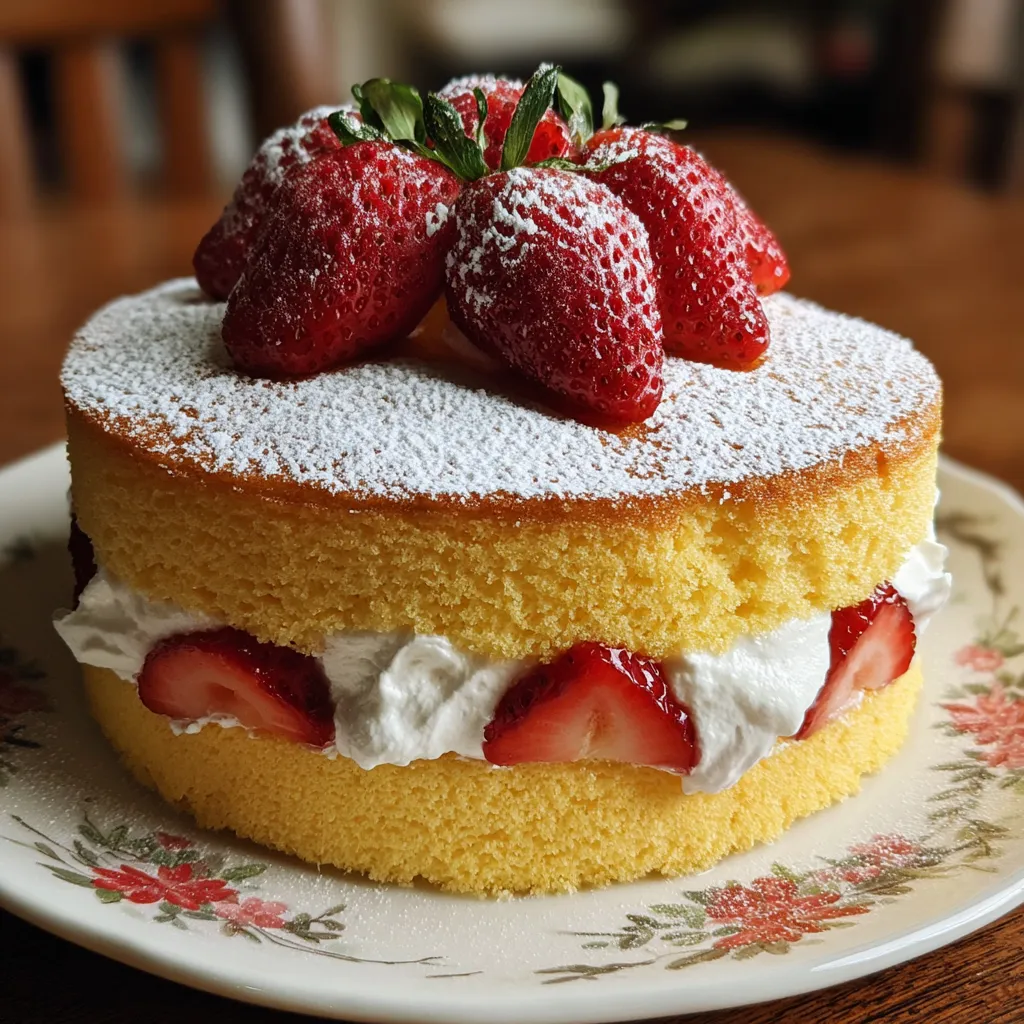

Japanese Strawberry Shortcake Light Fluffy Sponge Cake
Description
A cloud-like sponge cake baked to golden perfection, layered with silky vanilla whipped cream and fresh strawberries. Each bite melts on your tongue, balancing sweet creaminess with vibrant fruit notes.
Ingredients
Instructions
-
Preheat the oven to 170°C and line the bottom of an 18 cm round cake pan with parchment paper, then grease the sides.
-
Separate the egg yolks and whites into two clean bowls.
-
In the yolk bowl, whisk together the yolks and half of the granulated sugar until pale and slightly thickened, then gently fold in the sifted cake flour.
-
In the egg white bowl, beat the whites on medium speed until foamy, then gradually add the remaining granulated sugar and continue beating to soft peaks.
-
Fold one third of the beaten egg whites into the yolk mixture to lighten it, then gently fold in the remaining whites until just combined.
-
Melt the butter with the milk over low heat, cool slightly, then drizzle into the batter and fold gently to combine.
-
Pour the batter into the prepared pan, smooth the surface, and bake for 18–20 minutes until the top is lightly golden and a skewer comes out clean.
-
Remove the cake from the oven, let it cool in the pan for 5 minutes, then transfer to a wire rack and cool completely.
-
In a chilled bowl, whip the heavy cream with the powdered sugar and vanilla extract until firm peaks form.
-
Slice the cooled sponge cake horizontally into two layers, spread a layer of whipped cream, arrange halved strawberries, place the second sponge layer on top, and finish with remaining cream and decorative strawberries.
Note
- Room temperature eggs whip better than cold ones
- Sift the cake flour to avoid lumps and lighten the batter
- Allow the sponge to cool completely before adding whipped cream to prevent melting
- Best served on the day of assembly to enjoy optimal texture

