

Japanese Milk Bread is a dreamy, pillowy loaf that practically melts in your mouth. With its slightly sweet crust and cloudlike interior, this homemade tangzhong bread takes a bit of kneading and patience, but rewards you with a soft sandwich staple perfect for breakfast or afternoon tea. Whether you’re new to baking or a seasoned home cook, this intermediate-level recipe delivers bakery-level results that are well worth the effort—grab your apron, and let’s get baking!
Key Ingredients
Before we dive into the dough, let’s get to know the stars of our Japanese Milk Bread:
- 30 grams bread flour: Used in the tangzhong to thicken into a smooth paste that locks in moisture.
- 150 milliliters water: Whisked with flour to create the roux, ensuring a soft, tender crumb.
- 250 grams bread flour: The main structure of the loaf, giving it strength and chew.
- 50 grams granulated sugar: Adds a touch of sweetness to balance the rich dough.
- 1 teaspoon salt: Enhances flavor and regulates yeast activity.
- 7 grams instant yeast: Leavens the dough for a fluffy, airy texture.
- 1 egg: Contributes richness, improved rise, and golden color.
- 120 milliliters whole milk: Provides fat and moisture for a creamy, soft crumb.
- 30 grams unsalted butter: Adds tenderness and that irresistible buttery flavor.
How To Make Japanese Milk Bread
Let’s walk through the process of turning these simple ingredients into a show-stopping loaf. You’ll start by preparing a tangzhong roux to pre-gelatinize starches for extra softness, mix and knead the dough until it’s silky and elastic, then proof and bake until golden brown. Each step builds flavor, texture, and structure, so take your time and enjoy the process!
1. In a small saucepan, whisk 30 grams bread flour and 150 milliliters water over medium heat until the mixture thickens to a pudding-like consistency, then transfer to a bowl and let cool.
2. In a large bowl, combine 250 grams bread flour, 50 grams granulated sugar, 1 teaspoon salt, and 7 grams instant yeast.
3. Add the cooled roux, 1 egg, and 120 milliliters whole milk to the dry ingredients and mix until a rough dough forms.
4. Knead the dough for about 5 minutes until it starts to become smooth, then add 30 grams unsalted butter and continue kneading for another 10–15 minutes until the dough is silky and passes the windowpane test.
5. Place the dough in a lightly oiled bowl, cover, and let rise in a warm spot until doubled in size, about 60 minutes.
6. Punch down the dough, divide into three equal pieces, roll each into a log, and arrange them side by side in a greased loaf pan.
7. Cover the pan and let the dough proof for 40–45 minutes until it has puffed up.
8. Preheat the oven to 180°C, then bake the loaf for 25–30 minutes until golden brown on top.
9. Remove the bread from the oven, let it cool in the pan for 10 minutes, then transfer to a wire rack to cool completely before slicing.
Serving Suggestions
This Japanese Milk Bread shines in so many ways—its pillowy texture and sweet crust pair beautifully with your favorite toppings and meals. Whether you’re slicing it thick for toast or using it as a fluffy sandwich base, here are a few ideas to make every bite memorable:
- Buttery Toast: Lightly toast slices and slather with rich butter and a drizzle of honey for a simple, comforting breakfast.
- Creamy Sandwiches: Layer with mayonnaise, fresh veggies, and deli meats for a gourmet lunchtime treat.
- French Toast: Dip thick slices in an egg-milk mixture, fry until golden, and serve with berries and maple syrup.
- Sweet Bread Pudding: Cube leftover loaf, soak in custard, and bake with raisins for a decadent dessert.
Tips For Perfect Japanese Milk Bread
Nailing this fluffy loaf takes attention to detail, but with a few insider tips, you’ll breeze through each step. From mastering the tangzhong to ensuring a gorgeous oven spring, these pointers will help you achieve bakery-worthy results every time.
- Make sure the tangzhong is fully cooled before mixing to prevent an overly warm dough.
- Kneading until the dough passes the windowpane test ensures a light, airy crumb.
- Keep the oven temperature steady and avoid opening the door during the first 15 minutes of baking.
- Store the cooled bread in a plastic bag at room temperature for up to 3 days or freeze slices for longer storage.
How To Store It
Once your loaf has cooled completely, proper storage is key to preserving its soft, cloudlike interior and slightly sweet crust. Follow these methods to maintain freshness and flavor:
- Room Temperature: Place the cooled loaf in a sealed plastic bag or airtight container; keeps bread soft for up to 3 days.
- Refrigeration: Not recommended—cold air can dry out the crust and crumb.
- Freezing: Slice the loaf, wrap slices in cling film, and store in a freezer-safe bag for up to one month; toast or warm frozen slices directly for best results.
- Reviving: Warm slices in a preheated toaster oven or microwave with a damp paper towel to restore softness.
Frequently Asked Questions
Here are some quick answers to common questions—hope this makes your baking smoother!
- Q: How long does it take to prepare and bake this Japanese Milk Bread?
The total time is about 3 hours. This includes 10 minutes to make and cool the tangzhong, 15 minutes to mix the dough, 15–20 minutes of initial kneading before adding butter, an additional 10–15 minutes of kneading, 60 minutes for the first rise, 40–45 minutes for the proof in the loaf pan, and 25–30 minutes of baking. Allow 10 minutes to cool in the pan and additional time to cool on a wire rack before slicing.
- Q: What is the tangzhong (roux) and why must it be fully cooled before mixing?
The tangzhong is a paste made by whisking 30 grams of bread flour with 150 milliliters of water over medium heat until it thickens. It gelatinizes the starches, helping the dough retain moisture and creating a softer crumb. Cooling it completely prevents it from warming the yeast too much and keeps the dough temperature optimal for fermentation, ensuring a proper rise and texture.
- Q: How can I tell when the dough has been kneaded enough?
You’ll know the dough is properly kneaded when it becomes smooth, elastic, and passes the windowpane test. To perform this test, stretch a small piece of dough between your fingers into a thin translucent membrane without it tearing. A silky surface and resistance to tearing indicate good gluten development.
- Q: My dough seems too sticky or too dry. How should I adjust it?
If the dough is excessively sticky and unmanageable, sprinkle a teaspoon of bread flour at a time during kneading until it smooths out while remaining tacky. If the dough feels too dry and resists coming together, add a teaspoon of milk or water at a time until it forms a cohesive, slightly tacky ball. Avoid adding too much liquid or flour at once to maintain the correct hydration.
- Q: Can I substitute any ingredients, like using low-fat milk or margarine instead of butter?
You can use low-fat milk but the crumb may be slightly less rich and tender. Margarine can replace unsalted butter, but choose a high-fat variety to mimic the mouthfeel of butter. Keep sugar and yeast ratios the same, and know that ingredient swaps may subtly affect flavor and texture.
- Q: Why should I avoid opening the oven door during the first 15 minutes of baking?
Opening the oven door early causes a rapid drop in temperature and can interrupt oven spring, preventing the loaf from fully rising and resulting in a denser crumb. Keeping the door closed for the first 15 minutes ensures steady heat, proper steam retention, and a beautifully golden crust.
- Q: How should I store the finished bread to keep it soft and fresh?
Once completely cooled, store the loaf in a sealed plastic bag or airtight container at room temperature for up to 3 days. For longer storage, slice the bread and freeze the slices in a freezer-safe bag for up to one month. Toast or gently warm frozen slices to restore softness.
What Makes This Special
This Japanese Milk Bread stands out thanks to its tangzhong technique, which turns a handful of simple pantry staples into a loaf that feels like biting into a fluffy cloud. Its slightly sweet crust and melt-in-your-mouth crumb make it ideal for everything from creamy sandwiches to decadent French toast. Go ahead, print this recipe, save it for a cozy baking day, and let me know how your loaf turns out—questions, tweaks, or high-fives are always welcome in the comments!
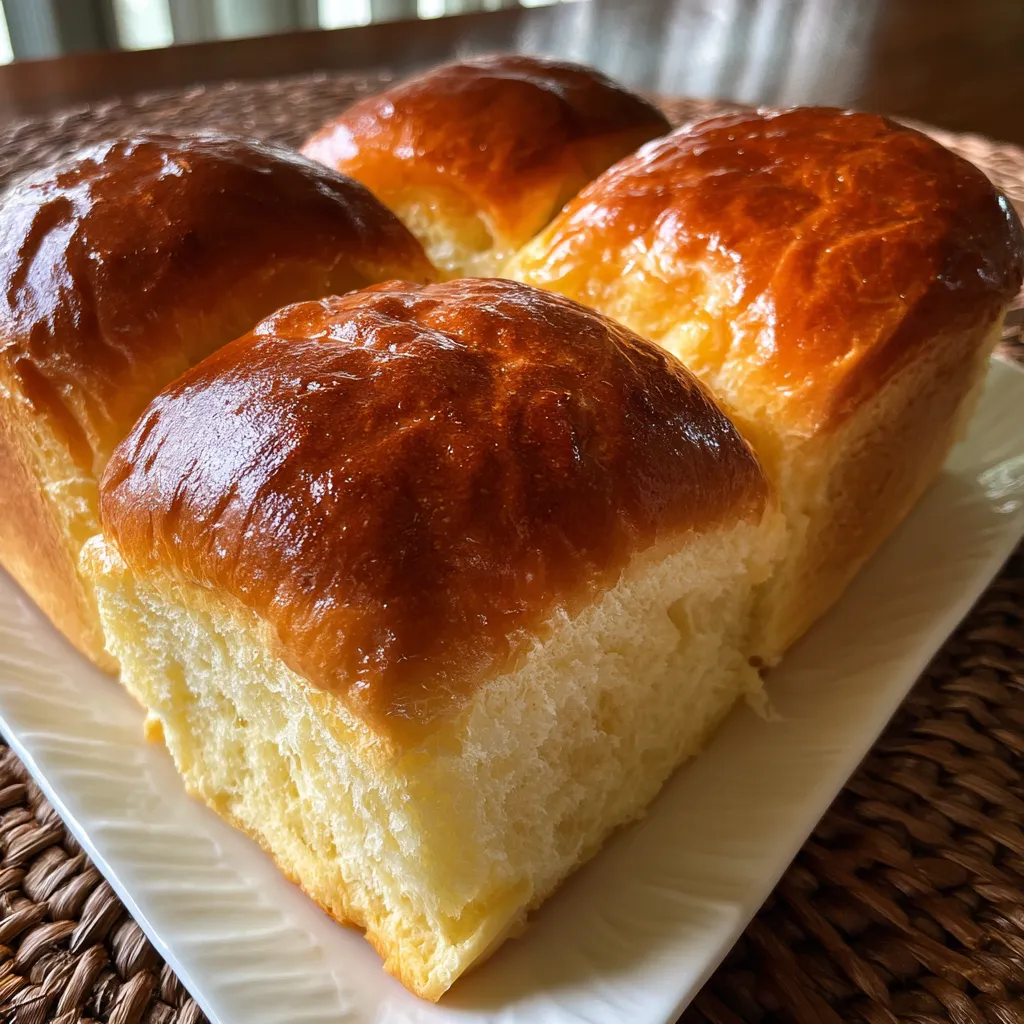

Japanese Milk Bread
Description
This Japanese milk bread uses a tangzhong roux to create an irresistibly soft crumb and golden crust. Knead into silky dough, let it rise, then bake until it puffs into a fluffy, tender loaf that melts in your mouth.
Ingredients
Instructions
-
In a small saucepan whisk 30 grams bread flour and 150 milliliters water over medium heat until the mixture thickens to a pudding-like consistency, then transfer to a bowl and let cool.
-
In a large bowl combine 250 grams bread flour, 50 grams granulated sugar, 1 teaspoon salt, and 7 grams instant yeast.
-
Add the cooled roux, 1 egg, and 120 milliliters whole milk to the dry ingredients and mix until a rough dough forms.
-
Knead the dough for about 5 minutes until it starts to become smooth, then add 30 grams unsalted butter and continue kneading for another 10–15 minutes until the dough is silky and passes the windowpane test.
-
Place the dough in a lightly oiled bowl, cover, and let rise in a warm spot until doubled in size, about 60 minutes.
-
Punch down the dough, divide into three equal pieces, roll each into a log, and arrange them side by side in a greased loaf pan.
-
Cover the pan and let the dough proof for 40–45 minutes until it has puffed up.
-
Preheat the oven to 180°C, then bake the loaf for 25–30 minutes until golden brown on top.
-
Remove the bread from the oven, let it cool in the pan for 10 minutes, then transfer to a wire rack to cool completely before slicing.
Note
- Make sure the tangzhong is fully cooled before mixing to prevent an overly warm dough.
- Kneading until the dough passes the windowpane test ensures a light, airy crumb.
- Keep the oven temperature steady and avoid opening the door during the first 15 minutes of baking.
- Store the cooled bread in a plastic bag at room temperature for up to 3 days or freeze slices for longer storage.

