

There’s something truly magical about pulling together a simple mix of flour, water, yeast, and a few pantry staples to create the foundation of every homemade pizza night. When you dive into making artisan pizza dough, you’re not just following a recipe—you’re adopting a tradition that spans continents and centuries. From the gooey cheese pulls to the satisfyingly crisp crusts, this dough transforms into something so much more than the sum of its parts. It’s a tactile, sensory experience that begins the moment you stir the first ingredients and extends all the way to that glorious first bite.
And the best part? Even if you’re a self-proclaimed kitchen newbie, this recipe is crafted with you in mind. With clear, step-by-step guidance, you’ll learn how to coax out that perfect elasticity, cultivate the ideal fermentation, and achieve a crust that’s golden, crispy, and still wonderfully chewy inside. Whether you’re aiming for thin Roman-style slices or pillowy Neapolitan rounds, this artisan pizza dough will become your trusted go-to. So grab your apron, dust off your rolling pin (or get ready for some fun hand-stretching), and let’s celebrate the joys of homemade baking with each delicious creation.
KEY INGREDIENTS IN ARTISAN PIZZA DOUGH
Every great pizza starts with top-notch ingredients. These staples come together to create a dough that’s versatile, flavorful, and easy to work with. Here’s what you’ll need and why each component plays a vital role:
- All-purpose flour
Provides the structure and body your dough needs. With its balanced protein content, it creates enough gluten for that perfect chewiness without becoming tough. A light dusting also prevents sticking during kneading and shaping.
- Warm water
Activates the yeast so it can start producing those lovely air bubbles. When it’s just about 110°F (45°C), you’ll wake the yeast gently, ensuring a consistent rise and a tender crumb.
- Kosher salt
Brings out the natural flavors of the dough and strengthens the gluten network. This helps control fermentation, giving your crust a nuanced taste and a satisfying texture.
- Sugar
Feeds the yeast during its initial burst of activity, accelerating the rise. It also contributes to the golden color and caramelized notes on the crust’s exterior as it bakes.
- Active dry yeast
The essential leavening agent. As it ferments, it creates those coveted bubbles in the dough, transforming a dense mixture into light, airy perfection.
- Olive oil
Adds richness and pliability to the dough. It also helps keep the crust tender and gives the finished pizza a glossy, golden hue.
HOW TO MAKE ARTISAN PIZZA DOUGH
Crafting artisan pizza dough is all about precision, patience, and a dash of enthusiasm. Follow these steps to turn simple ingredients into a canvas for your favorite toppings:
1. In a small bowl, combine the warm water, sugar, and active dry yeast. Stir gently and let it sit for about 5 minutes until it becomes frothy, signaling that the yeast is awake and active.
2. In a large mixing bowl, whisk together the all-purpose flour and kosher salt. Make a well in the center of the mixture, then pour in the yeast mixture and olive oil.
3. Using a wooden spoon, stir the mixture until a rough dough forms and the ingredients come together in an uneven, shaggy mass.
4. Transfer the dough to a floured surface. Knead by hand for about 8–10 minutes, pushing and folding until it’s smooth and elastic. Or, use a stand mixer fitted with a dough hook on low speed for about 6–8 minutes to achieve the same result.
5. Shape the dough into a ball and place it in a lightly oiled large bowl. Turn to coat all sides with oil, then cover with a damp cloth or plastic wrap.
6. Let the dough rise in a warm, draft-free area for 1 to 1.5 hours, or until it doubles in size.
7. Once risen, punch down the dough gently to release trapped gases. Turn it out onto a lightly floured surface and divide into 2 or 4 equal portions, depending on how large you want your pizzas.
8. Roll each portion into a ball, cover with a clean towel, and let them rest for another 15–20 minutes to relax the gluten for easier stretching.
9. Preheat your oven to its highest setting (around 475°F/245°C) and place a pizza stone or baking sheet inside to heat thoroughly.
10. On a floured surface, roll out each dough ball to your desired thickness. Top with your favorite sauces, cheeses, and toppings.
11. Carefully transfer the topped pizza onto the preheated stone or sheet. Bake for 8–12 minutes, or until the crust is golden and crisp.
12. Remove from the oven, let it rest for a minute, then slice and serve while piping hot.
SERVING SUGGESTIONS FOR ARTISAN PIZZA DOUGH
Once your artisan pizza comes out of the oven, the fun really begins. This dough is a versatile base that pairs beautifully with countless flavor profiles. Whether you’re feeding a crowd or indulging in a cozy solo dinner, here are some ways to make each slice shine:
- Classic Margherita Twist: After baking, drizzle with fresh basil chiffonade, a touch of extra virgin olive oil, and a sprinkle of sea salt. The bright notes of basil pop against the toasted crust, creating a timeless combination.
- Spicy Honey Drizzle: Right when your pizza is hot out of the oven, brush the crust edges with a blend of melted butter and crushed red pepper flakes, then finish with a thin stream of hot honey for sweet-heat perfection.
- Mediterranean Veggie Feast: Pile on roasted red peppers, kalamata olives, crumbled feta, and a handful of arugula tossed in lemon juice. The cool greens contrast the warm, baked dough in a delightful way.
- Garlic-Parmesan Kiss: Mix minced garlic and softened butter, then gently brush the crust perimeter right after it exits the oven. Grate fresh Parmigiano-Reggiano over the top for a nutty, aromatic finish.
HOW TO STORE ARTISAN PIZZA DOUGH
A little foresight in storage means you can enjoy fresh pizza dough whenever the craving strikes. Proper storage preserves both flavor and texture, ensuring your crust stays resilient and flavorful:
- Refrigeration for Next-Day Use: Place the dough balls in lightly oiled, airtight containers and refrigerate for up to 48 hours. The slow fermentation in the fridge enhances the complexity of the flavor, giving you a deeper, tangier crust.
- Freezing for Long-Term Stash: After the first rise, divide and wrap each dough ball tightly in plastic wrap, then place in a freezer bag. Freeze for up to 3 months. To use, thaw overnight in the refrigerator and allow it to come to room temperature before shaping.
- Countertop Holding (Short Term): If you plan to bake within 4 hours, cover the bowl of dough loosely with plastic wrap and keep it at room temperature, out of direct drafts. This maintains a consistent proofing environment without overfermenting.
- Pre-Shaped Dough Rounds: For quick weekday pizzas, roll out individual dough portions onto parchment, then freeze them flat in single layers. Once solid, stack them with parchment between each round in a freezer bag. Pull one out, top, and bake directly—no thawing required!
CONCLUSION
We’ve journeyed from the very first sprinkle of flour on the countertop to that moment when you slice into a piping-hot, golden-crisp pizza fresh from your oven. This artisan pizza dough recipe is designed to empower home cooks of all skill levels—whether you’re a complete beginner or a weekend baking warrior. By understanding why each ingredient matters, mastering the kneading and rising processes, and experimenting with serving suggestions, you’ll uncover a newfound confidence in your kitchen. And remember, the dough only gets better the more you practice and tweak it to your taste: try slow fermentation in the fridge, mix in a bit of whole wheat flour, or swirl in your favorite herbs for a signature twist.
Feel free to print this article and tuck it into your recipe binder or bookmark it on your device for easy reference every time the pizza urge strikes. You’ll also find an FAQ section below to answer common questions about temperature, proofing times, and troubleshooting sticky dough. If you give this recipe a go, please leave a comment, share questions, or let me know how it turned out. Your feedback helps build our community of pizza lovers and home bakers—so don’t be shy! Happy baking, and may every slice bring you joy.
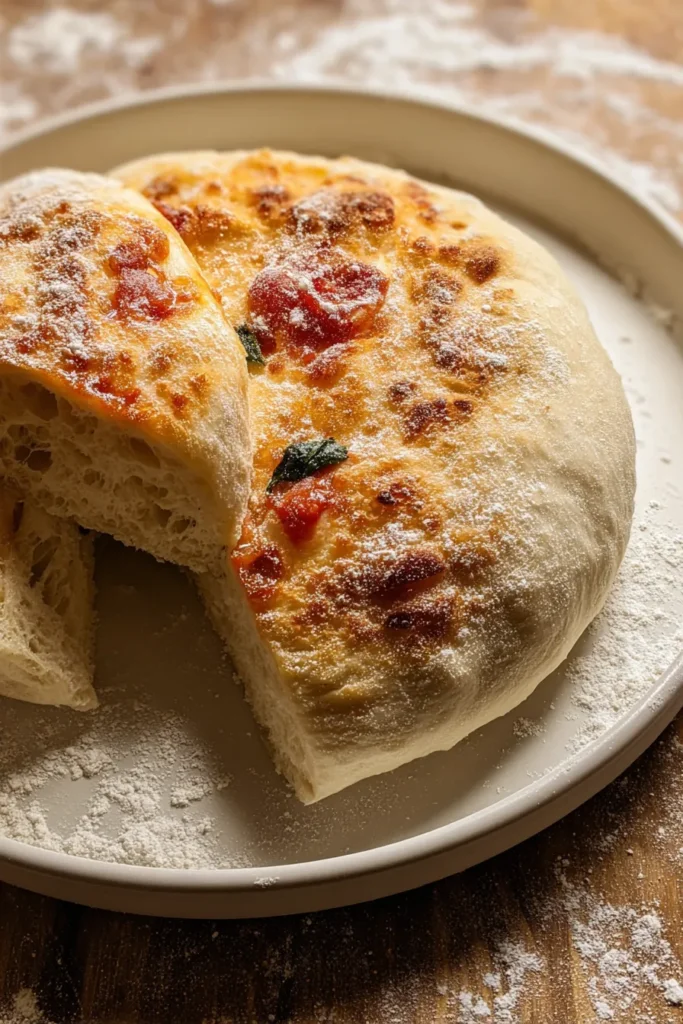

Artisan Pizza Dough
Description
Unleash your inner pizzaiolo with this artisan pizza dough recipe. It’s easy to make and yields a crust that's crisp on the outside yet soft and chewy inside!
Ingredients
Instructions
-
In a small bowl, combine the warm water, sugar, and yeast. Stir gently and let it sit for about 5 minutes until it becomes frothy.
-
In a large mixing bowl, combine the flour and salt. Make a well in the center and pour in the yeast mixture and olive oil.
-
Stir the mixture with a wooden spoon until a rough dough forms.
-
Transfer the dough to a floured surface. Knead by hand for about 8-10 minutes until the dough is smooth and elastic. You can also use a stand mixer with a dough hook for this step.
-
Form the dough into a ball and place it in a lightly oiled large bowl. Turn the dough to coat it with oil, then cover the bowl with a damp cloth or plastic wrap.
-
Let the dough rise in a warm, draft-free area for about 1 to 1.5 hours, or until it doubles in size.
-
Once risen, punch down the dough to release the gases. Turn it out onto a lightly floured surface and divide it into 2 or 4 equal portions, depending on the size of pizza you prefer.
-
Roll each portion into a ball, cover with a clean towel, and let them rest for another 15-20 minutes.
-
Preheat your oven to its highest setting (usually around 475°F/245°C) and place a pizza stone or baking sheet in the oven to heat.
-
Roll out each ball of dough on a floured surface to your desired thickness. Add your favorite toppings.
-
Carefully transfer the pizza onto the preheated stone or sheet and bake for 8-12 minutes, or until the crust is golden and crisp.
-
Remove from the oven, slice, and serve hot.
Note
- For a more complex flavor, refrigerate the dough for 24-48 hours for a slow fermentation process.
- You can substitute whole wheat flour for part of the all-purpose flour for a nuttier flavor.
- The dough can be frozen for up to 3 months. Thaw it overnight in the refrigerator before using.
- Experiment with different herbs and spices like oregano or garlic powder in the dough for added flavor.

